
In recent years, the United Kingdom has witnessed a significant shift in its population’s digital habits.
According to data from Ofcom’s “Online Nation 2024” report, 29% of British adults accessed content platforms during the first half of this year.
This figure not only reveals growing demand but also a change in preferences for intimate content and related services, such as escorting.
Emerging trends: Digitalisation and its impact on navigational habits
The same report highlights that Britons are increasingly seeking services that prioritise privacy, security, and a discreet digital experience. Pornhub, for instance, was visited by 18% of adults in May 2024, ranking among the country’s top ten most visited websites. This surge has also been reflected in the interest in adult companionship platforms offering personalised, and secure services tailored to new user expectations.
The adoption of technology has revolutionised the escort sector, especially. Digital platforms like SE UK have enabled greater accessibility and more efficient service management, breaking down traditional barriers and expanding access to a more diverse audience. A growing demand for anonymity and professionalism accompanies this transformation.
Data confirming the sector’s transformation
As explained by Professor Feona Attwood of Middlesex University in her research on digital intimacy and media culture, the mainstreaming of adult services online reflects a broader shift in how intimacy, privacy, and personal agency are negotiated in digital environments. Her studies underline how technological integration into intimate services mirrors evolving societal attitudes towards discretion and autonomy.
This broader societal shift is not only theoretical, but is also evident in real-world data. An examination of the companion services platform statistics further supports this idea.
Growth and user engagement
An analysis of internal data from some platforms illustrates this trend. SE UK reported a 24% growth in unique users during 2024. Additionally, 12% of its users are returning visitors, demonstrating high loyalty and satisfaction when it comes to finding London escorts or other private services.
Also, the average interaction time per active user is around 3.5 minutes, with an average of 1.3 sessions per user. These figures reflect a high level of user engagement.
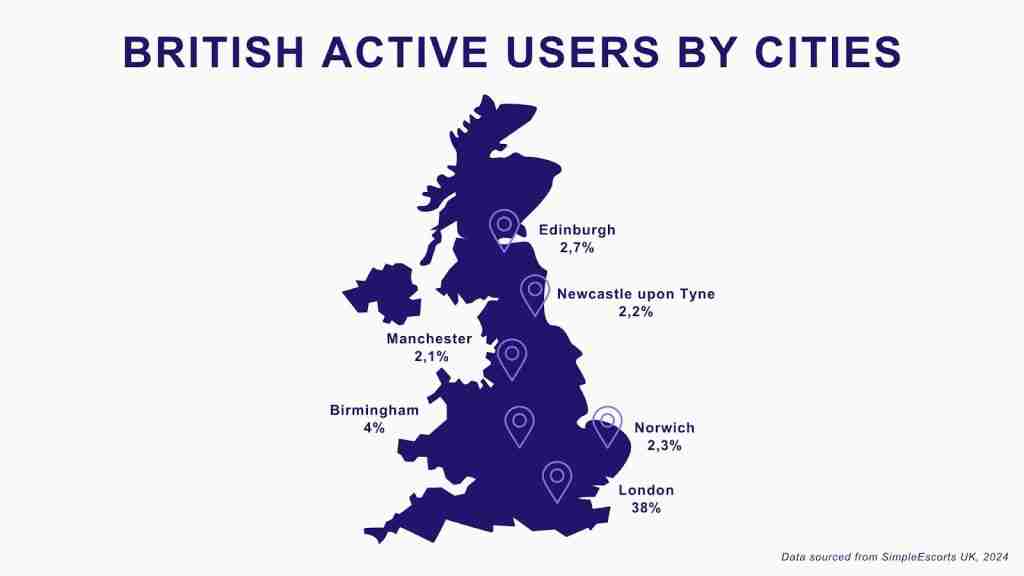
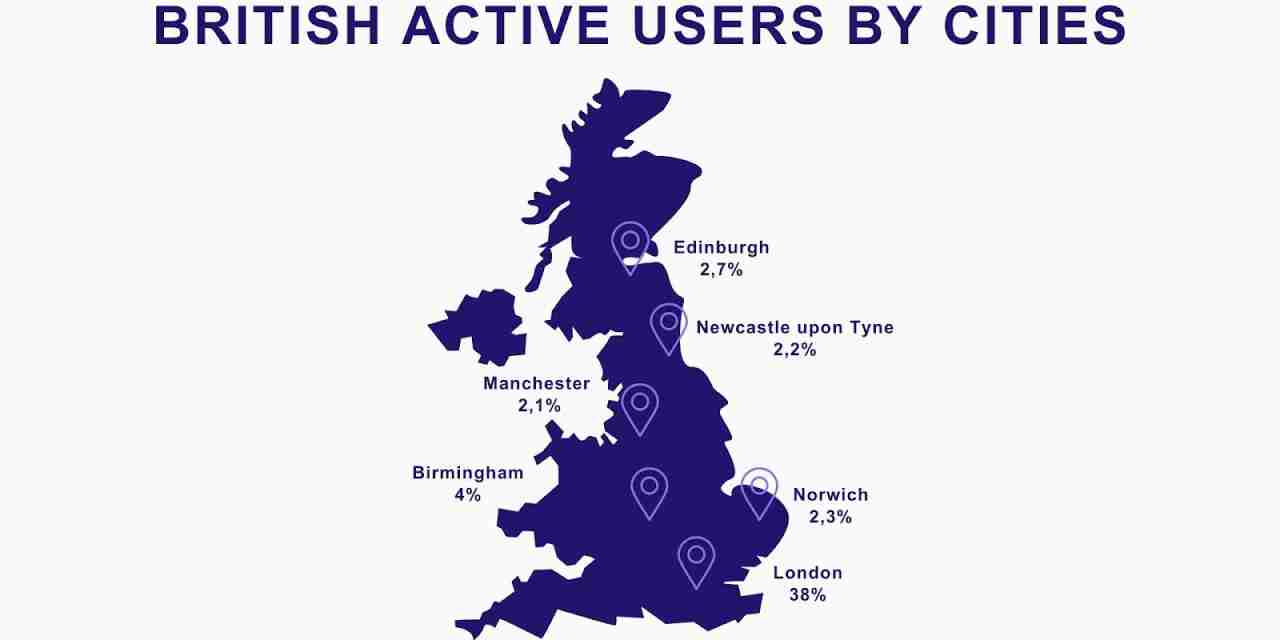
In terms of geographic distribution, London accounts for 38% of all active users, followed by Birmingham and Edinburgh. This pattern aligns with the demographic and economic distribution of the UK’s major cities. But this trend is repeated in other regions of the country in the search for escorts in Cork City, for example.
User profile and preferences
The user profile in the personal companion platform mentioned earlier also reveals interesting trends: almost 80% of users are male, with the 25 to 34 age group being the most prominent, followed by the 35 to 44 age group. This suggests a typical young adult user familiar with digital consumption.
In terms of preferred methods of contacting advertisers, phone calls remain the most used method, accounting for approximately 60%. The second one is WhatsApp, which has grown to nearly 40%, reflecting a shift towards quicker and more discreet communication channels.
Regulation and public perception: An industry under scrutiny
The rise in consumption of adult services has sparked a public debate on the need to regulate access to such content. The British government has advanced in implementing regulations like mandatory age verification on digital platforms, aiming to protect the most vulnerable users.
Public opinion is also shifting: recent surveys show that 78% of Britons support measures that ensure greater security and privacy when accessing adult services online.
In light of this landscape, many platforms are beginning to implement access measures for this type of content and services, with big data and artificial intelligence emerging as the most innovative methods in this field.
Where the professional companionship industry is heading in the UK
The digital transformation is here to stay, and the private companionship sector is no exception. The combination of technology, demand for discretion, and new regulations is shaping a more mature and professionalised ecosystem. As the public becomes more familiar with these platforms and their benefits, the sector is expected to continue its growth, adapting to users’ changing needs and a stricter regulatory framework.